Choosing between a hybrid and an electric car is not always as simple as picking the newest technology. The right choice depends on how you drive, where you drive, how often you travel longer distances and whether charging fits naturally into your routine. That is why Toyota offers more than one path into electrified driving. Hybrid electric vehicles, plug-in hybrid vehicles and battery electric vehicles all use electric power in different ways, but they are not the same thing. Some still use a petrol engine. Some need external charging. Some are designed to reduce fuel consumption without changing the way you refuel, while others remove petrol from the driving experience altogether. In this guide, we break down hybrid vs electric cars in plain English, including how each type works, how they compare in day-to-day driving and which Toyota option may make more sense for the way you actually use your vehicle.
What Is The Difference Between Hybrid and Electric Cars?
Hybrid and electric cars both use electric power, but they use it in very different ways. A hybrid car still uses a petrol engine alongside an electric motor, while a battery electric vehicle runs on battery power alone and needs external charging. Understanding that difference can help you choose a vehicle that suits your driving habits rather than simply chasing the newest badge or biggest battery.
Power Source
A hybrid car combines a petrol engine (internal combustion engine) with an electric motor. The vehicle can use electric power in certain conditions, but the petrol engine remains part of the system. This is why hybrid vehicles are often a practical step up from conventional petrol vehicles for drivers who want better fuel efficiency without changing how they refuel. Fully electric vehicles run entirely on battery power. They do not have a petrol engine, a diesel engine or an exhaust pipe. The electric motor draws energy from the battery pack, and that battery needs to be recharged from an external power source. A plug-in hybrid uses both ideas. It has a petrol engine and electric motor, like a hybrid, but also allows external charging so the vehicle can travel further using electric power alone.
Charging
Regular Toyota hybrids do not need to be plugged in. They recharge as they drive, using energy from the petrol engine and regenerative braking. For drivers who park on the street, live in apartments or do not want to install a home charger, this can be a major advantage. Electric cars do need external charging. Depending on your situation, that might happen at home overnight, at work during the day, or through public charging stations while you are out and about. Charging speed depends on the charger, the vehicle, battery temperature, battery capacity and the state of charge. Plug-in hybrids also use external charging if you want to make the most of their electric-only driving range. If you do not charge them regularly, they can still operate using petrol and hybrid power, but you may miss out on some of the electric driving benefits that make the technology appealing in the first place.
Fuel And Electricity Costs
Hybrid cars are designed to reduce fuel consumption by using electric power where it is most useful. This can help reduce petrol costs, especially in city driving and stop-start traffic. Electric cars replace petrol costs with electricity costs. If you can charge at home on a suitable energy plan, the day-to-day running costs may be attractive. Public charging costs can vary, and frequent DC fast charging may be more expensive than home charging. The honest answer is that there is no single winner for every driver. Fuel savings depend on how far you drive, where you charge, current petrol prices, electricity tariffs and the vehicle you choose. A hybrid may be more cost-effective for someone who drives long distances, cannot charge at home or wants a familiar ownership routine. An electric car may make more sense for someone who has reliable charging access and mostly drives predictable daily kilometres.
Range And Long-Distance Driving
For longer trips, hybrids feel familiar because they use petrol stations just like conventional petrol vehicles. You can drive from Brisbane to the Sunshine Coast, Gold Coast, Toowoomba or further without thinking about charging stops. Electric vehicles can also suit longer trips, but they require a different mindset. You need to consider battery range, charging locations, charger speed and how long you are comfortable stopping. For some drivers, that is easy to work into the journey. For others, it may feel like one more thing to manage. Plug-in hybrids give drivers another option. They can offer electric driving for short daily trips, while still providing petrol-powered flexibility for longer distances.
Emissions
Battery electric vehicles produce zero tailpipe emissions while driving. That means no exhaust emissions from the vehicle itself during use. Hybrid vehicles still use a petrol engine, so they still produce exhaust emissions. However, by using electric power in certain driving conditions and improving fuel economy, they can reduce fuel use compared with a similar conventional petrol vehicle. Plug-in hybrids sit in the middle. When charged and driven in electric mode, they can reduce petrol use for shorter trips. On longer journeys, the petrol engine is still there when needed.
Driving Experience
Electric vehicles are known for their quiet drive, smooth acceleration and instant response from the electric motor. With no petrol engine changing gears or revving in the usual way, the experience can feel very different from a traditional petrol or diesel car. Toyota hybrids are also smooth and quiet, particularly at low speeds and in suburban driving. The transition between petrol and electric power is designed to feel natural, so you do not need to think about what the system is doing behind the scenes. That matters because a good electrified vehicle should not make your life harder. It should simply make each drive feel easier, more efficient and more considered.
Is A Hybrid Or Electric Car Better For City Driving?
For Brisbane drivers, this is where hybrid vehicles can make a very strong case. City driving often involves low speeds, traffic lights, roundabouts, short trips, school zones, shopping centre car parks and the kind of stop-start suburban driving that can chew through fuel in a traditional petrol vehicle. Toyota hybrids are designed to work well in these conditions. Regenerative braking helps recover energy when the vehicle slows down, while the electric motor can assist during low-speed driving and take-off. The petrol engine is still there when required, but the hybrid system helps reduce fuel consumption where possible. A fully electric car can also be excellent for city driving. If you can charge at home or nearby, an electric vehicle can handle the daily commute, local errands and weekend running around without visiting a petrol station. You also get the benefit of quiet electric driving and zero tailpipe emissions while driving. The difference comes down to charging. If charging fits easily into your routine, an electric car may be a natural fit. If you want fuel-efficient driving without installing a charger or changing your habits, a Toyota hybrid may be the more practical option.
Is A Hybrid Or Electric Car Better For Long-Distance Driving?
Long-distance driving is where the electric vs hybrid car decision becomes more personal. A hybrid car gives you the efficiency benefits of electric assistance while keeping the familiar convenience of petrol. If you regularly drive long distances, take regional trips or head away for weekends, that flexibility can be reassuring. You do not need to think about charging stations, charger availability or how long a stop might take. An electric car can still suit longer trips, especially as charging infrastructure continues to improve. However, the planning matters more. You need to know your expected range, where you can charge, whether a DC fast charger is available on your route and how conditions such as speed, terrain, temperature and load may affect range. This does not make electric cars impractical. It simply means they ask for a different kind of ownership routine. For many drivers, the choice is not really about whether hybrid or electric technology is better. It is about how much certainty, flexibility and planning you want built into the vehicle.
Toyota Hybrid vs Electric: Which Makes More Sense?
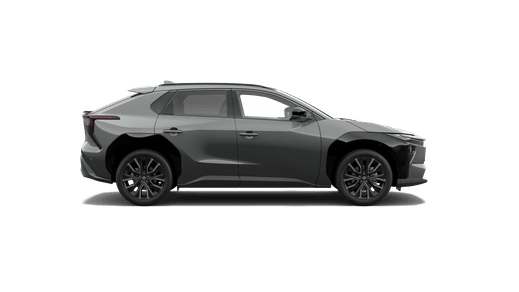
The Toyota hybrid vs electric decision comes down to how ready you are to change the way you drive, refuel and recharge. Toyota hybrids make sense for drivers who want to reduce fuel consumption without relying on external charging. They are especially appealing if you want a fuel-efficient vehicle for commuting, family use, city driving and longer trips, while still keeping the convenience of petrol. A Toyota electric vehicle, such as the bZ4X, may make more sense if you are ready for fully electric driving. If you have access to charging at home, work or nearby public charging stations, a battery electric vehicle can offer a quiet, smooth and petrol-free driving experience. A plug-in hybrid may suit drivers who want some of the electric driving benefits of a battery electric vehicle, but still want the backup of a petrol engine for longer trips. It can be a useful option if your daily driving is mostly short distances, but your weekends are less unpredictable. The main point is that Toyota does not treat electrification as a one-size-fits-all answer. Different drivers need different solutions. A city commuter, a growing family, a regional traveller and a business vehicle buyer may all look at hybrid and electric cars differently. That is why Toyota’s electrified range is built around choice.
Which Electrified Toyota Is Right For You?
The right Toyota will depend on your lifestyle, driving pattern and access to charging. A simple way to think about it is to start with your routine.
A Toyota Hybrid May Suit You If…
A Toyota hybrid may be a strong fit if you want better fuel economy but do not want to plug in your vehicle. It may also suit you if you regularly drive in city and suburban traffic, take longer trips, park on the street or simply want a familiar ownership experience with improved efficiency. For many drivers, this is the easiest step into electrified driving. You still refuel with petrol, but the hybrid system helps make smarter use of energy as you drive. Depending on your lifestyle, that could mean comparing anything from a Hybrid Electric Camry to a compact SUV or a larger family model like the Kluger Hybrid Electric.
A Toyota Electric Vehicle May Suit You If…
A Toyota electric vehicle may suit you if you can charge conveniently and want a fully electric driving experience. This could be at home, at work or through public charging stations you can reliably access. Electric vehicles can be especially appealing if most of your driving is predictable. Daily commutes, local errands, school runs and regular short-to-medium trips can all work well when charging is easy to manage. The big shift is that you stop thinking in terms of petrol stations and start thinking in terms of charging habits. If you are ready to compare a fully electric Toyota, the bZ4X is the natural place to start.
A Plug-In Hybrid May Suit You If…
A plug-in hybrid may suit you if you want electric-only driving for shorter trips, but still want petrol power available when you need it. It can work well for drivers who can charge regularly during the week, but still want flexibility for longer drives. This can make plug-in hybrid vehicles a useful bridge between regular hybrid cars and full battery electric vehicles. You get more electric driving potential than a regular hybrid, without relying entirely on charging for every journey. For drivers looking closely at SUV practicality, the all-new RAV4 is worth comparing because it includes Hybrid Electric and Plug-in Hybrid options.
Make the Comparison at Southside Toyota
Hybrid vs electric is not a debate with one right answer. It is a decision about how you drive, where you drive and what kind of ownership experience you want. If you want fuel efficient driving without external charging, a Toyota hybrid may be the right fit. If you are ready for a fully electric car and can charge conveniently, a Toyota battery electric vehicle may make more sense. If you want a blend of both, a plug-in hybrid vehicle may be worth considering. At Southside Toyota, our team can help you compare Toyota hybrid and electric options based on your real driving needs, not just the numbers on a spec sheet. Whether you are upgrading from a traditional petrol vehicle, comparing electrified vehicles for the first time or weighing up Toyota electric vs hybrid options, we can help you find a vehicle that fits the way you actually live and drive. Explore the Toyota Electrified Range online, speak with the Southside Toyota team, or enquire about a test drive to discover which Toyota is right for you. Contact Southside Toyota